Depression is more than just feeling sad. It is a complex medical condition that affects how you think, feel, and function in daily life. For many people, therapy and medication provide significant relief. But for others, these treatments fall short. If you have tried antidepressants without success, Transcranial Magnetic Stimulation (TMS) may be the breakthrough you have been looking for.
Request an AppointmentWhat Is TMS?
Transcranial Magnetic Stimulation is a non-invasive, FDA-cleared treatment that uses gentle magnetic pulses to stimulate specific areas of the brain associated with mood regulation. It is performed in an outpatient setting, requires no anesthesia, and allows patients to return to their normal daily activities immediately after each session.
TMS targets the prefrontal cortex, the region of the brain responsible for emotional control and decision-making. In people with depression, this area often shows reduced activity. TMS works by reactivating and rebalancing neural pathways that have become underactive, helping to restore healthy brain function over time.
Who Is TMS For?
TMS is particularly well-suited for individuals who:
- Have been diagnosed with Major Depressive Disorder (MDD)
- Have not responded to one or more antidepressant medications
- Have experienced difficult side effects from medication
- Are looking for a drug-free treatment option
- Want to complement their existing therapy or treatment plan
TMS is not a last resort. It is a clinically proven alternative that many patients turn to when they are ready for a different approach.
What to Expect During Treatment
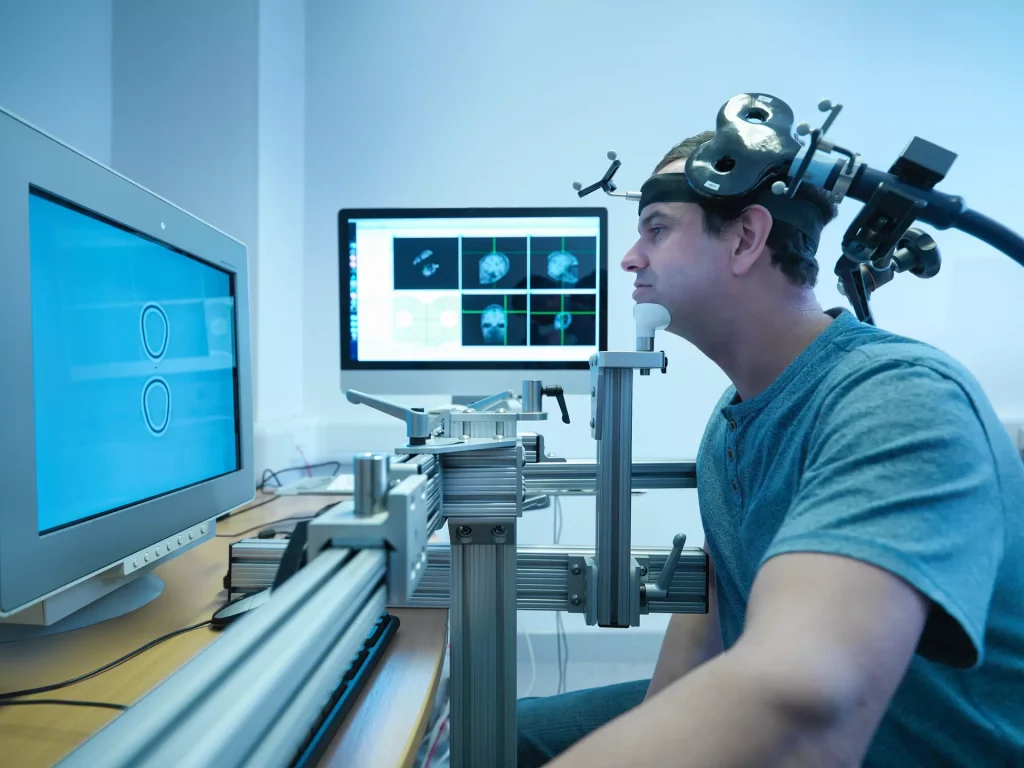
A typical TMS treatment course consists of sessions held five days a week over four to six weeks. Each session lasts between 20 and 40 minutes. During the treatment, you will sit comfortably in a chair while a small magnetic coil is placed gently against your scalp. You may feel a light tapping sensation on your head, but most patients find the experience easy to tolerate.
There is no sedation involved, no recovery time needed, and no impact on your memory or ability to drive. Many people schedule their sessions before work, during a lunch break, or between other daily activities.
What Does the Research Say?
TMS has been extensively studied and carries a strong body of clinical evidence supporting its effectiveness. Research consistently shows that a significant percentage of patients experience meaningful symptom reduction, with many achieving full remission from depression. For patients who have not responded to medication, TMS response rates are particularly encouraging compared to adding another antidepressant or switching to a new one.
The FDA cleared TMS for the treatment of Major Depressive Disorder in 2008, and it has since helped hundreds of thousands of people worldwide reclaim their quality of life.
The Benefits of TMS
Drug-Free: TMS works without medication, making it a strong option for those who are sensitive to side effects or prefer to avoid pharmaceuticals.
Non-Invasive: No surgery, no needles, no anesthesia. TMS is a straightforward outpatient procedure from start to finish.
Well-Tolerated: The most commonly reported side effect is mild scalp discomfort or a headache during or shortly after treatment, which typically resolves quickly.
Lasting Results: Many patients maintain their improvement for a year or more following a full course of TMS, particularly when combined with ongoing therapy or support.
No Systemic Side Effects: Unlike antidepressants, TMS does not cause weight gain, sexual dysfunction, fatigue, or gastrointestinal issues.
Taking the Next Step
You do not have to keep waiting for relief. If depression has been holding you back and previous treatments have not worked the way you hoped, TMS offers a real, evidence-based path forward.
Our team is here to answer your questions, walk you through what to expect, and help you determine whether TMS is the right fit for your situation. Reaching out is the first step, and we make that process as simple and supportive as possible.
Contact us today to schedule a consultation and learn more about how TMS can help you move toward a healthier, fuller life.